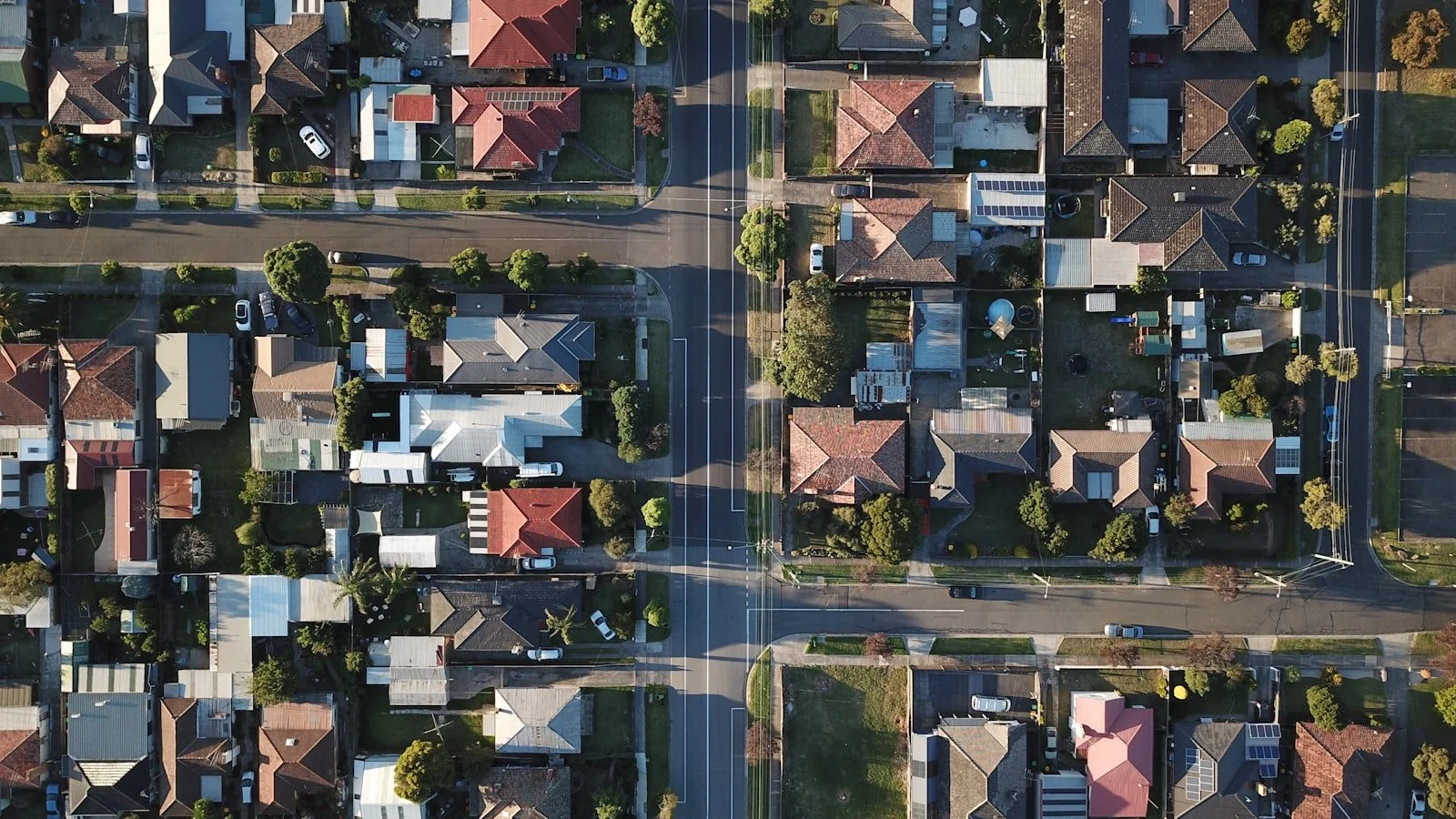
Conditions for first home buyers are softer than they have been in years. Prices are easing in the bigger capitals, investor competition is thinner ahead of the budget changes, and there is more room to negotiate than there was twelve months ago. The new financial year is a useful moment to reset, get organised and walk into the market well prepared.
The five-tip checklist below is what I run through with first home buyer clients in May and June. It is the boring stuff that lenders actually weight - spending pattern, savings rhythm, credit history, scheme eligibility, pre-approval - and it is the difference between an offer that holds and one that wobbles at finance.
Buying your first home can feel like a big leap when prices, rates and lending rules keep moving. But none of the five steps below are complicated. They just need to be done in the right order.
1. Review Your Finances
Before you start browsing listings or attending open homes, get your finances in shape. Lenders do not just look at income. They analyse spending habits, examining bank statements to build a picture of how you manage money day to day. Your finances need to tell a coherent story.
Go through the last three months of statements and ask yourself what subscriptions, memberships or recurring expenses you could cut or reduce. Modest changes that are sustained over a few months meaningfully strengthen your application and show lenders you are financially disciplined.
2. Build A Budget And Supercharge Savings
If you do not already have one, a budget is a useful tool for understanding what you can put away each month. Map out your after-tax income alongside your expenses, splitting them into essentials (rent, groceries, utilities, insurance) and non-essentials (eating out, entertainment, hobbies).
A well-known framework is the 50/30/20 rule: 50% toward essentials, 30% toward lifestyle, 20% toward savings. Many of our clients find that holding each bucket in a separate bank account makes it stick. Whatever framework you choose, lenders look favourably on consistent savings momentum over several months. It is one of the cleanest signals you can give.
3. Do A Credit Check
It is worth taking a look at your credit report before you apply for a home loan. Lenders review your credit history as part of their assessment. Under the Privacy Act 1988, you are entitled to a free copy of your credit report every three months from each of Australia's three credit reporting bureaus: Equifax, Experian and illion.
Your credit report typically includes your borrowing history over the past five years, any credit applications you have made, and your repayment history. Each bureau also assigns a credit score, calculated on its own scale: Equifax sits on 0 to 1,200, while Experian and illion both run 0 to 1,000. Because each bureau uses a different scoring system, your score may vary between them, and different lenders may use different bureaus.
If you spot any errors, contact the relevant bureau directly to have them investigated and corrected. Even small errors can flow through to your serviceability assessment, so it is worth checking early.
4. Understand Your Government Support
Federal and state schemes change regularly, so the picture is worth a fresh look every year. The four to know in 2026:
- The Australian Government 5% Deposit Scheme lets eligible first home buyers purchase a home with a minimum 5% deposit and government backing. There are no income caps, no limits on places, no waitlists, and you do not pay Lenders' Mortgage Insurance.
- The Help to Buy Scheme is a shared equity initiative where the government contributes up to 40% for new builds and 30% for existing homes. You can purchase with a deposit as low as 2% without paying LMI. 10,000 places open each year.
- The First Home Super Saver Scheme lets you make voluntary contributions of up to $50,000 into your superannuation to save for a deposit, while taking advantage of concessional tax rates.
- Depending on where you are buying and your circumstances, you may also be eligible for a state First Home Owner Grant or stamp duty exemptions or concessions.
The eligibility windows interact with each other in ways that are not always obvious. We talk through which combination works best for your situation as part of every first home buyer conversation.
5. Get Your Finance Sorted Early
Before you start house hunting, meet with a mortgage broker to understand your borrowing power. It saves countless hours looking at properties outside your real budget, and protects you from the disappointment of an offer that does not hold up at finance.
After running through your situation, we explain your borrowing capacity, the upfront and ongoing costs to plan for (stamp duty, legal fees, building and pest inspections), and the right pre-approval position to be in before you open inspections. The full checklist behind why brokers do most of the heavy lifting on first home loans is in why many first home buyers choose to work with a mortgage broker.
For wider market context heading into the financial year, the June 2026 Newsletter covers the softening capital city values and what the May Budget changes mean. The strategy hub on things to ask a broker in 2026 is the right follow-on read.
Make This The Year
Buying your first home is exciting and the conditions in mid-2026 give well-prepared buyers more room to move than the last few years offered. The steps above are not glamorous, but they are the work that turns a hopeful applicant into a confident one. Let us make it happen.